521992
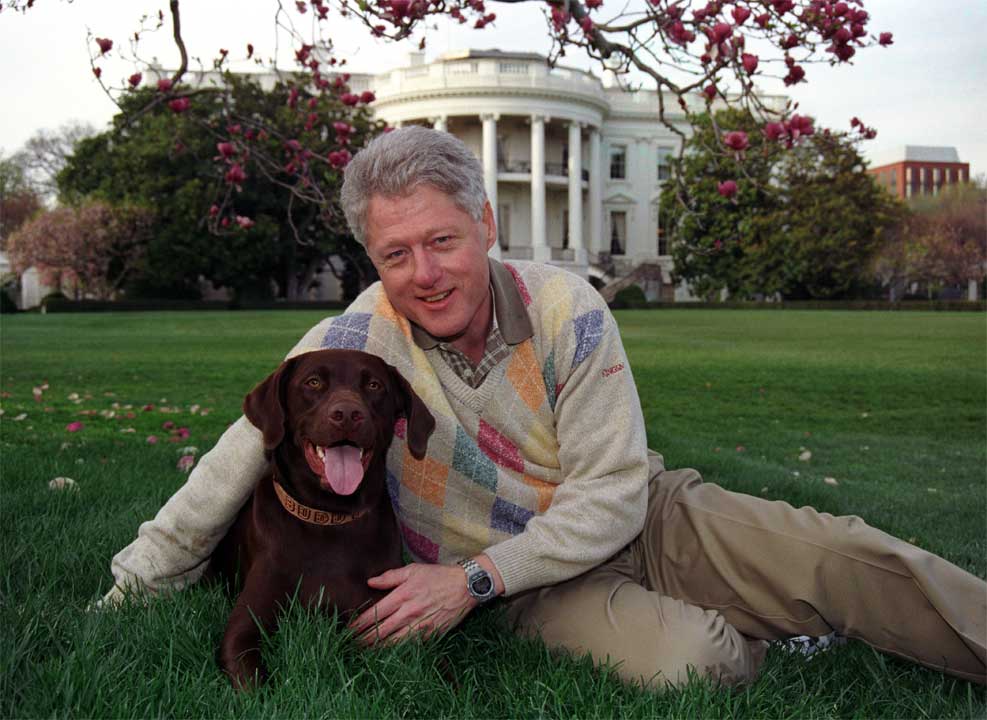
portrait — Bill Clinton
Presidential Election · 1992
The Election of 1992
Bill Clinton defeats George H. W. Bush
Clinton unseats Bush in a three-way race shaped by Ross Perot and a weak economy.
Democratic VictoryBill Clinton defeats George H. W. Bush
Clinton unseats Bush in a three-way race shaped by Ross Perot and a weak economy.
Democratic VictoryThe Result
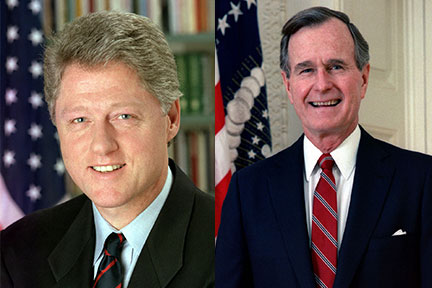
Clinton unseats Bush in a three-way race shaped by Ross Perot and a weak economy.
1992 Elections Bush vs Clinton.
As the election campaign of 1992 neared, the incumbent President, George Bush, held a commanding lead in the polls, over any and all potential rivals. Bush had been the Commander-In-Chief presiding over the most decisive American military victory since World War II, the Gulf War. He had also directed American Foreign Policy as the Soviets Union fell apart. As a result, most of the leading Democratic candidates declined to run.
The Democrats held a long primary process. At the close of the primary process, Bill Clinton, the sitting governor of Arkansas, emerged as the leading Democratic presidential candidate. Clinton was favored, despite charges, he dodged the draft and was unfaithful to his wife. His wife, Hilary Rodham Clinton stood by him, throughout the barrage of allegations. As a result, Clinton was able to secure and obtain the presidential nomination on the first ballot at the Democratic Convention.
From the time of the Democratic convention, Governor Clinton held a commanding lead in the polls over President Bush. The troubled economy hobbled Bush's campaign. The campaign revolved primarily around economic issues. The ending of the cold war, for which Republicans took credit, perversely worked against them. No longer could they claim superiority by pushing Americans to question: "Do you trust the Democrats to stand up to the Russians?"
The third-party candidacy of Ross Perot was a genuine wild card in the campaign. Perot, a self-made billionaire, ran a one-issue campaign; deficit reduction. Early polls showed Perot as a leading candidate. However, his decision to first withdraw from the campaign and then reenter it, caused him to lose much of his early support.
Bush ran a rather listless campaign that failed to connect with voters. He seemed utterly disconnected from the needs of the average American.
Clinton's image of youth convinced enough Americans looking for change to vote for him. For the first time in a decade, many voted for a Democrat, sealing Clintonís victory.
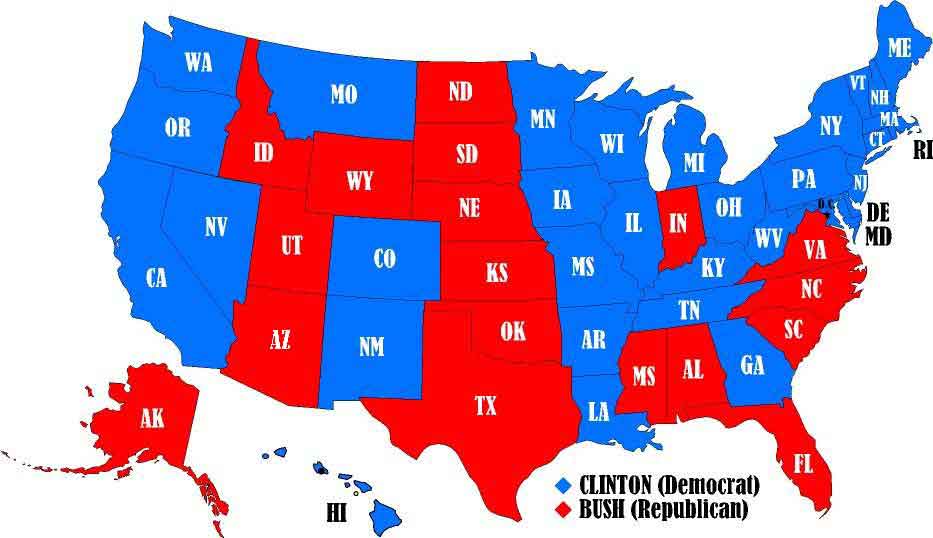
The Popular Vote
The recorded popular vote in each state.
Figures as recorded by HistoryCentral.