Convair B-36 Peacemaker
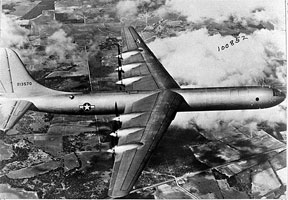
The Convair B-36 Peacemaker was a massive intercontinental strategic bomber conceived during World War II to bomb Europe from North America should Britain fall. It made its maiden flight on August 8, 1946, and entered Strategic Air Command service in 1948. With a 230-foot wingspan, it was the largest piston-engine combat aircraft ever built, originally powered by six pusher Pratt & Whitney R-4360 radial engines, later supplemented by four podded General Electric J47 jets in the distinctive six-turning, four-burning configuration.
Capable of carrying nuclear weapons across intercontinental distances without refueling, the B-36 was the backbone of America's nuclear deterrent in the early Cold War. More than 380 were built before production ended in 1954, and the type was replaced by the all-jet B-52 in 1958-59. Notably, it never flew a combat mission.
Specifications
- Manufacturer
- Convair
- Type
- Intercontinental strategic bomber
- Crew
- 15
- First Flight
- August 8, 1946
- Powerplant
- Six Pratt & Whitney R-4360 radials (3,800 hp each) plus four General Electric J47 turbojets (5,200 lb thrust each)
- Max Speed
- 435 mph
- Range
- 10,000 mi
- Service Ceiling
- 45,700 ft
- Length
- 162 ft 1 in
- Wingspan
- 230 ft
- Loaded Weight
- 410,000 lb loaded
- Armament
- Sixteen 20mm cannons in remote turrets; up to 86,000 lb of bombs, nuclear or conventional