Rockwell B-1 Lancer
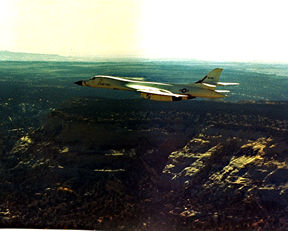
The B-1 was a long-range strategic bomber developed for the U.S. Air Force, with the first prototype making its initial test flight in December 1974. Built by Rockwell International, it was intended to replace the aging Boeing B-52 fleet and featured variable-sweep, or swing, wings that allowed it to fly efficiently at both high and low speeds.
Although physically smaller than the B-52, the B-1 was designed to carry a substantially larger payload and to penetrate enemy defenses at high speed and low altitude. The program was controversial and politically contested, and the original B-1A version was canceled before being revived in modified form.
The aircraft re-emerged as the B-1B Lancer, which incorporated reduced radar signature and other improvements and entered service with the Air Force in the 1980s. The B-1B became a key part of the U.S. bomber force, later shifting from its original nuclear role toward conventional missions in conflicts around the world.