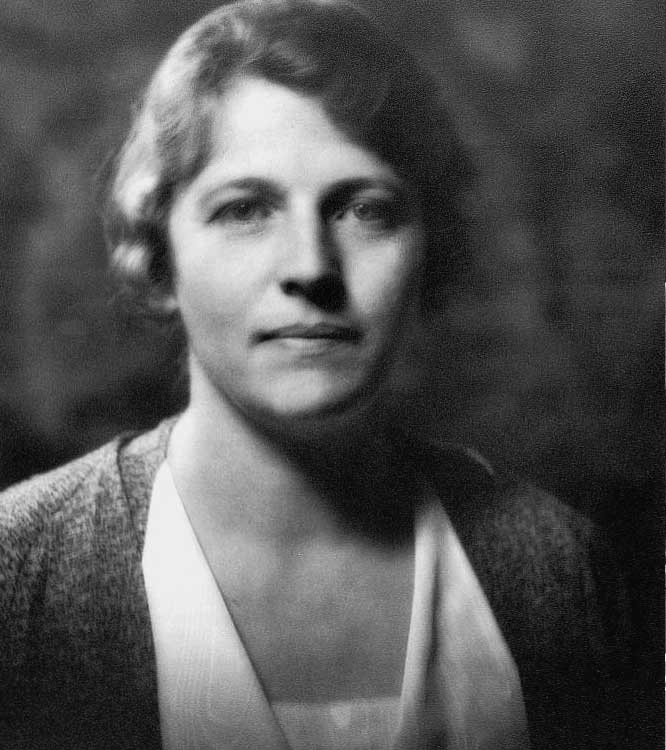
Pearl S. Buck was an American author who, through her sympathetic novels of Chinese life, brought the people of China vividly to Western readers and became the first American woman to win the Nobel Prize in Literature. Born in West Virginia to missionary parents, she was carried to China as an infant and grew up there, speaking Chinese before English and absorbing the rhythms of village life that would fill her books.
Her masterpiece, The Good Earth (1931), told the story of a Chinese peasant family's struggle with the land across generations. A vast popular success, it won the Pulitzer Prize, was made into a celebrated film, and did more than any other work of its time to humanize China for American audiences. In 1938 the Nobel committee honored her for her rich and epic descriptions of Chinese peasant life.
A prolific writer, Buck produced dozens of novels, biographies, and works of nonfiction over her long career. She wrote with warmth and directness, championing the dignity of ordinary people and bridging the cultures of East and West.
Buck was also a tireless humanitarian and social activist. A passionate advocate for civil rights, women's rights, and the welfare of children, she founded an agency to place mixed-race and Asian orphans for adoption and worked on behalf of the disabled and the disadvantaged. She died in 1973, remembered both as a storyteller and as a champion of the world's forgotten children.